
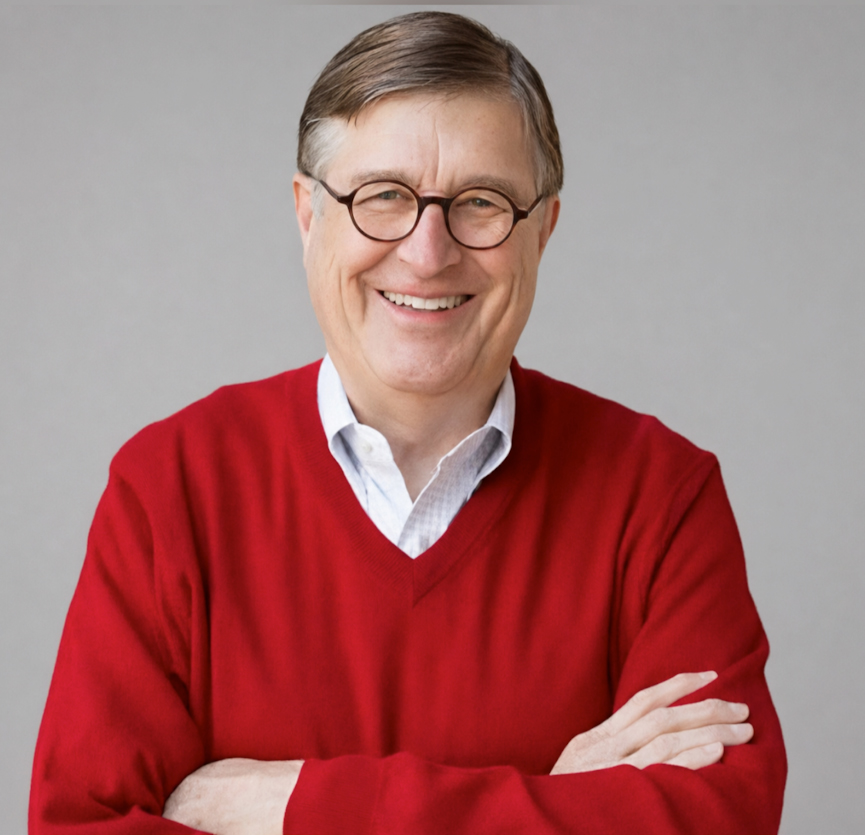
Chip Webster
Founder- Unity in Service
Chip Webster is the founder of Unity in Service and the author of Unity in Service: A Pathway to Responsible Citizenship, a framework for renewing American civic life through shared, local action rather than abstract debate. Drawing on decades of experience mentoring leaders, facilitating high‑trust peer groups, and advising organizations on culture and ethics, he has become a leading advocate for service‑first approaches to bridging political and cultural divides. His work centers on a simple but demanding idea: if we want a healthier democracy, we must relearn how to work shoulder to shoulder with people who do not think or vote like we do.
Through Unity in Service, Chip designs and supports local initiatives in which neighbors tackle concrete community needs together—food security, neighborhood improvement, youth support, and more—as a way to rebuild trust from the ground up. He has seen repeatedly that when people collaborate on real problems, stereotypes begin to crack, listening improves, and a basic respect for each other’s dignity returns. Rather than asking people to agree on ideology, he invites them to agree on responsibility: to their town, to each other, and to future generations.
In his writing and speaking, Chip argues that the United States needs a new civic “rite of passage” that can unify a generation. To that end, he is a strong proponent of a national service year for 18‑year‑olds, with broad non‑military options including community development, environmental work, education, and public health. He believes a year of structured, meaningful service—done alongside peers from different backgrounds—can cultivate empathy, civic pride, and a deeper sense of ownership in the country than any classroom alone can provide.
Chip’s message resonates with audiences looking to “bridge the divide” without giving up their convictions. He does not ask people to mute their beliefs, but to discover that cooperation is possible even in the midst of disagreement when service comes first. Whether he is working with community leaders, students, faith groups, or civic organizations, his goal is consistent: to help Americans rediscover a shared identity as responsible citizens, united not by uniformity of thought, but by a common commitment to serve.